Издатель
Here are three top tips for debt management:
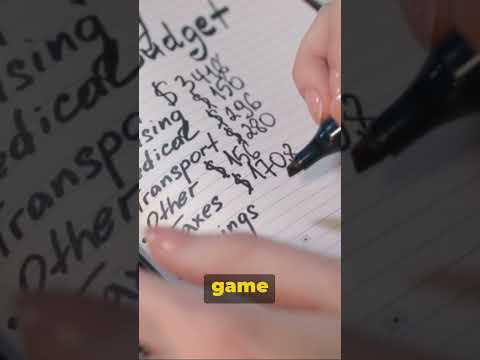
Create a Budget and Track Expenses: Start by creating a budget that outlines your monthly income and expenses. Identify areas where you can reduce spending and allocate more money towards debt repayment. Tracking your expenses can help you identify spending patterns and prioritize essential expenses while cutting back on non-essential purchases.
Prioritize High-Interest Debts: If you have multiple debts, prioritize paying off those with the highest interest rates first. This approach, known as the debt avalanche method, allows you to minimize the amount of interest you'll pay over time and pay off your debts more efficiently. Make minimum payments on all debts while directing any extra funds towards the debt with the highest interest rate until it's paid off, then move on to the next highest-interest debt.
Consider Debt Consolidation or Refinancing: Consolidating multiple debts into a single loan with a lower interest rate can simplify your debt repayment process and potentially save you money on interest. Options for debt consolidation include personal loans, balance transfer credit cards, or home equity loans (if you own a home). Additionally, refinancing high-interest debt with a lower-interest loan can help you save money and pay off debt faster.
These tips can help you take control of your debt, reduce financial stress, and work towards achieving financial freedom. It's essential to develop a plan that works for your unique financial situation and stick to it consistently to make progress towards becoming debt-free.
Create a Budget and Track Expenses: Start by creating a budget that outlines your monthly income and expenses. Identify areas where you can reduce spending and allocate more money towards debt repayment. Tracking your expenses can help you identify spending patterns and prioritize essential expenses while cutting back on non-essential purchases.
Prioritize High-Interest Debts: If you have multiple debts, prioritize paying off those with the highest interest rates first. This approach, known as the debt avalanche method, allows you to minimize the amount of interest you'll pay over time and pay off your debts more efficiently. Make minimum payments on all debts while directing any extra funds towards the debt with the highest interest rate until it's paid off, then move on to the next highest-interest debt.
Consider Debt Consolidation or Refinancing: Consolidating multiple debts into a single loan with a lower interest rate can simplify your debt repayment process and potentially save you money on interest. Options for debt consolidation include personal loans, balance transfer credit cards, or home equity loans (if you own a home). Additionally, refinancing high-interest debt with a lower-interest loan can help you save money and pay off debt faster.
These tips can help you take control of your debt, reduce financial stress, and work towards achieving financial freedom. It's essential to develop a plan that works for your unique financial situation and stick to it consistently to make progress towards becoming debt-free.
- Категория
- Рефинансирование кредита

Комментариев нет.
Следующее
-
00:27

Interactive Debt Repayment Calculator - See When You'll Be Debt Free | Free Tool
-
00:27
3 Steps to Financial Freedom
-
00:38
How to Break Free: Real Estate Investment Tips for Financial Freedom!
-
00:29
Six Steps To Financial Freedom!
-
03:41
5 Steps to Debt Freedom
-
05:56
Become Debt free and get your FREE Debt Snowball here!
-
56:32
20 Real-Life Spanish Money Dialogues | Natural Conversations About Finance, Debt & Freedom
-
00:57
How We Became Millionaires: Debt Free in 18 months | Good Debt vs. Bad Debt
-
00:52
How to pay off student loan debt fast - 5 easy steps
-
23:52
5 Steps to Living Off-Grid & Debt-Free
-
10:51

Обзор страхования на срок Unilife Life Insurance. Как работает срочное страхование жизни Юнилайф
-
1:17:48

Управление рисками.
-
18:21

Разбор 322 варианта Ларина, 19, 17 задание
-
06:27

Онлайн кредит. Онлайн заем. Коллектор әлегі.
-
23:35

Где взять кредит под ГАРАНТИРОВАННЫЕ 7,9% А под 0%? Рефинансирование кредита в ПОЧТА БАНК.
-
03:55

Можно ли получить рефинансирование ипотеки после реструктуризации?
-
03:13

Как взять кредит выгодно? Как узнать средние ставки по кредитам?
-
19:12

Лука призвал, в камере Тесака, удар по вкладам, 9 кг за 5 часов, дочь Сердюкова, Леон
-
04:30

✔ МТС Банк угрожает | Чушь несусветная 7 с
-
01:59

БЫСТРЫЙ КРЕДИТ НАЛИЧНЫМИ ЗА 5 МИНУТ. ОФОРМИТЬ ПОТРЕБИТЕЛЬСКИЙ КРЕДИТ ОНЛАЙН В ТИНЬКОФФ БАНКЕ.